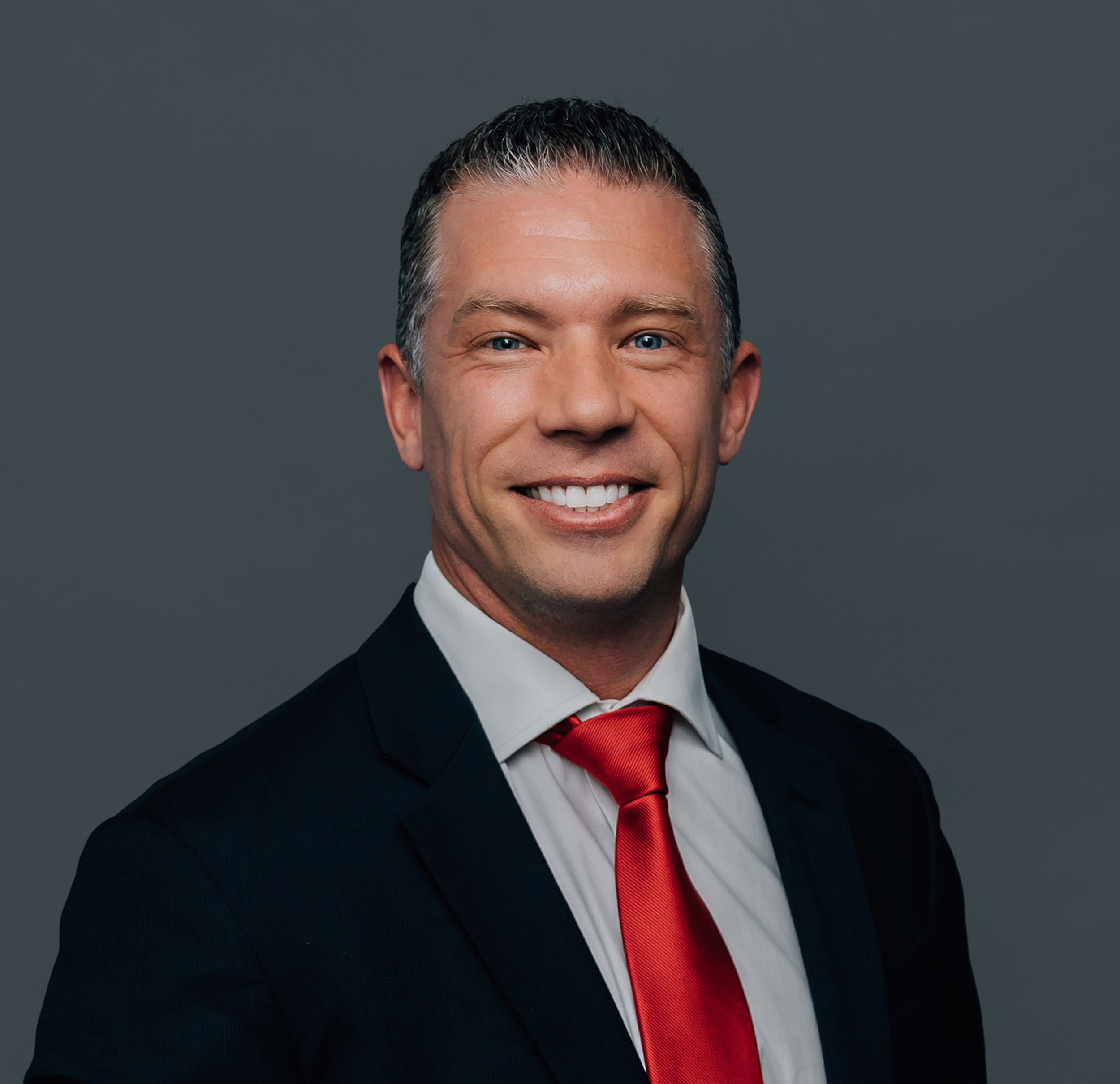
Ricardo Perez could read the numbers better than most buyers. The numbers were the problem.
Ricardo Perez didn’t need help reading a P&L.
Before dental school he earned a commerce degree and spent seven years doing small-business accounting. He’s the buyer every other buyer wishes they were: comfortable with cash flow and fluent in the language banks speak.
So when he found a general practice in Richmond, Virginia that he liked, he did his own analysis first. Then he called and hired us anyway.
“I could do my own analysis,” he says, “but I needed somebody to verify it and make sure I wasn’t missing anything.”
What he was looking at explains why.
Four practices in one set of books
The seller at one point owned four separate practices, which he ran through the same holding company. Through the years, he had merged, sold, wound down and weaned out parts of the practices without ever separating them, and the financials still carried the residue. The numbers weren’t wrong, exactly. They were commingled. You couldn’t cleanly separate which revenue and which expenses belonged to the practice actually for sale.
Two banks looked at those books and threw up their hands, saying, “We can’t help.” They couldn’t tell what they were lending against.
Our report said what Ricardo already suspected: the practice looked right, but the risk was high, because nobody could be fully sure the numbers were the numbers.
It’s an uncomfortable answer. But a buyer with a finance degree needs it even more than a buyer without one, because the temptation to trust your own spreadsheet is strongest when you build it.
What the prospectus got wrong
The deeper we went with due diligence, the more the listing drifted from the building.
The practice was advertised at 3,300 square feet. It felt tighter than that, so he measured it and discovered it was only 2,100. The operatory count was two short of what he’d been told, and the “room to add two more” turned out to be his storage room and the staff kitchen. I’m still scratching my head over who thought that was a good idea.
“There was a little misinformation,” he says, which is the most generous description of a 36 percent square-footage gap I’ve heard.
He paused more than once. In the end the things that were wrong were things he could fix later: walls, equipment, layout. The things that had to be right were right: the cash flow, the location, the patient base. He closed on July 1.
The seller who almost walked twice
One more thing happened on the way to closing that’s worth mentioning, because it happens more than buyers expect.
The practice was listed at $1.2 million. Ricardo and the seller hit it off, and after their first meeting the seller came down $100,000. Then due diligence started, our questions got specific, and the seller got nervous. He started nudging the price back up to apply pressure on the buyer.
Ricardo held the line. “We said, this is what we’re committed to. This is what the LOI says, so this is what we’ll honor.” The seller relented. The deal closed on the terms in the LOI.
Good questions make sellers uncomfortable. That’s not a reason to ask fewer of them.
Ready for four years
Ricardo bought later than he wanted to.
He’d planned to associate for three years and then buy. Instead, family circumstances, including an adoption that required his employment and address to stay exactly where they were, kept him in an Arizona associateship for seven. When the paperwork cleared, he and his wife moved to Charlotte to buy. Two years of a hot market, two partnership arrangements that fell through, and nothing that fit. So they widened the map, and Richmond came up.
“I felt ready for about four years,” he says. “It was more a matter of, now that we’re ready, let’s find the right practice.”
The thing no spreadsheet shows
Ask him what surprised him about ownership and he’ll say nothing, mostly. He knew the practice had no hygienist and the doctor was doing all the hygiene. He knew he’d be building systems from scratch, because the previous owner had been, in his words, winging it for years. He told his wife he’d be home late for six months. He’s more than halfway through and on schedule.
Then he’ll tell you about the one thing he couldn’t have analyzed from Arizona.
The practice came with five staff. He knew their tenure and what they were paid. What he didn’t know until he sat in the office, watched them work and talked to them was how excellent they were: invested in the patients, sharp up front, carrying a real share of the administrative load.
“That’s a critical factor that’s not reflected on the spreadsheet,” he says. “No analysis is going to tell you that until you connect personally with them. The staff have been the greatest asset I acquired in the purchase.”
That’s why the transition has gone the way it has. No staff attrition. No patient attrition. Growth, actually, more than he expected, which is a good problem to have, unless you’re the only one doing hygiene.
His advice
To the associate who says, I’m good with money, I don’t need a buyer’s advocate: “It’s such a cheap insurance policy. It’s a little presumptuous to think that having never gone through it, you’ll be aware of all the pitfalls.” He compares it to a procedure. You can watch the video. You still want someone in the room who’s done it before.
And to the associate waiting to feel ready:
“I don’t think we’re ever ready for it. The process is going to make you ready. It’s in the doing that we learn. There’s great satisfaction in being your own captain versus a deckmate on somebody else’s ship.”
Dr. Ricardo Perez owns Solana Dental Care in Richmond, Virginia.
One more thing. Ricardo found Richmond by widening the map. If you’re trying to figure out where to look, I’m doing a free hour tomorrow, Friday, Nov 20, at noon Mountain with Kent Miller from Dentagraphics. He’ll show you how to size up a market before you buy in it, live, and you can bring your own ZIP code. Save your seat here.